
When a major public incident strikes, families can be left desperately trying to reach loved ones as crowds scatter, phone networks fail, and reliable information disappears. Using the calm, methodical approach of a private investigator can help you move faster, think clearly, and follow practical steps that increase the chances of finding someone safely and quickly.
How to Find Loved Ones After Major Public Incidents, like a Private Investigator
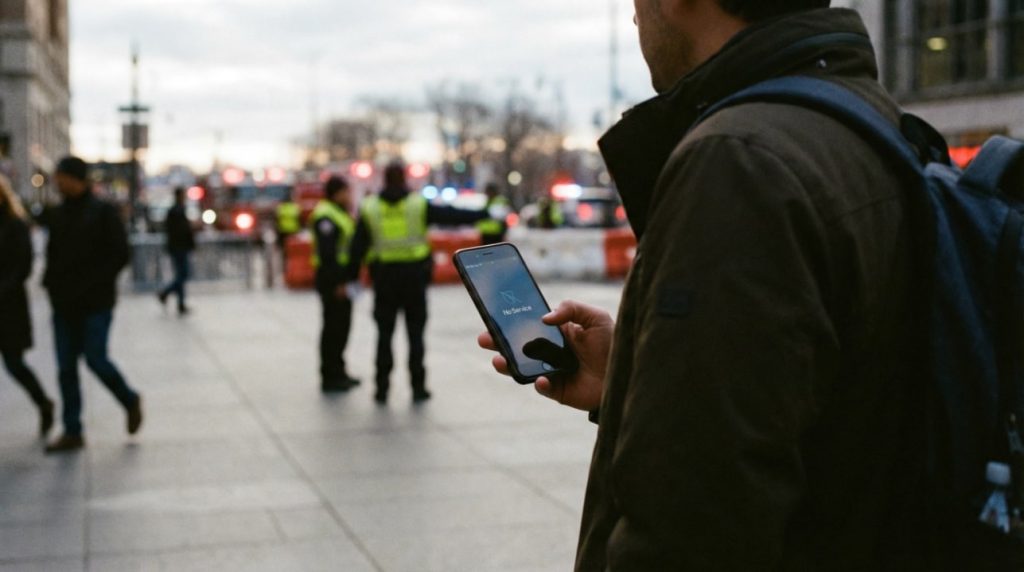
On 14 December 2025, during the Chanukah by the Sea event at Bondi Beach, what began as a crowded celebration turned into a public place shooting that left 16 people dead and 40 injured, according to New South Wales Police. Sirens cut through the music, people ran in every direction, phones went up, networks jammed, and many families were left desperately trying to contact loved ones who were suddenly out of reach.
In that storm of noise and fear, you need a clear way to think. A Private Investigator would not guess or rely on luck. They would follow a simple plan, use the tools in their pocket, and track one clue at a time.
This guide shows you how to copy that approach. You will see how to prepare before anything happens, what to do in the first 1 to 2 hours after an incident, and what to do if more time passes. With a basic plan, you move faster and feel less helpless when someone you love is missing.
How a Private Investigator Thinks in a Crisis
You are at a concert, a packed parade, or a busy mall. Sirens start, people rush in every direction, phones go up, then the signal jams. You try to call your loved one, and the call drops again and again. Your chest tightens, and every minute feels longer than the last.
In a crisis, a Private Investigator does not start by running around. They start by thinking. Their goal is simple: turn chaos into a clear line of steps.
They focus on facts, not fears. Instead of “What if they are hurt?”, they ask, “Where were they last, and who saw them?” That switch in thinking helps you act with purpose instead of chasing every rumor.
Two habits drive that mindset: staying calm enough to think, and building a short written plan before you move.
Stay calm so you can think like an investigator
Panic makes you repeat yourself and miss clues. You might:
- Call the same number 20 times.
- Forget which hospital you already called.
- Give different descriptions to different people.
To stay clear-headed, try a quick grounding routine:
- Take 3 slow breaths and feel your feet on the floor.
- Say out loud, “My job is to find facts.”
- Write one simple goal on paper, like “Find where they were last seen.”
Private Investigators use similar tricks during tense cases. Calm does not mean you are not scared; it means you are still able to think.
Build a simple plan before you start searching
Rushing without a plan wastes time. A Private Investigator breaks the problem into small steps, then follows them in order.
Use this 3-step mini plan:
- List what you know: last location, time, clothing, and who they were with.
- List who to call: friends, family, event staff, co‑workers.
- List places and tools to check: phone logs, social media, hospitals, shelters.
Write this plan in your notes app or on paper. A written plan keeps you from circling back to the same idea and losing precious minutes.
Smart Steps to Take Before Any Major Incident Happens

You cannot control every incident, but you can make any search faster. Think of it like keeping a small “investigation kit” ready for the people you love.
These steps are simple, low drama, and fit into daily life.
Create a shared emergency profile for each loved one
Private Investigators start with identifiers. You can do the same.
For each close family member, keep a short emergency profile with:
- Full name and common nicknames
- Recent clear photos (front-facing, no filters, alone in the frame)
- Height, build, hair, and eye color
- Clothing and shoes, they often wear
- Tattoos, scars, piercings, glasses
- Allergies or medical needs
Store this in a secure digital note or password app. You can also print a small card and keep it in a bag. Share access with one trusted friend or relative.
Recent photos matter a lot. In a search, a clear image from last week is far more useful than a group shot from three years ago.
Use phones and apps the way a Private Investigator would
Your phone holds a live map of someone’s day. Used well, it can save you hours.
Simple steps:
- Turn on location sharing with close family, even if you only check it in emergencies.
- Learn how to use “Find My” on iPhone or Google location features on Android.
- Save key contacts as ICE (In Case of Emergency) in your phone.
In real cases, a Private Investigator builds a timeline from call logs, text history, ride share trips, and app check-ins. You can use the same idea, while still caring about privacy and only sharing data with people you trust.
Set meet-up points and safety check routines
Investigators always think in terms of likely locations. You can plan for that before big events.
For concerts, protests, or crowded malls, agree on:
- A clear meeting point, like “front gate A,” “main exit sign by the food court,” or a nearby hotel lobby.
- A basic check-in rule, like a short text every hour or after the event ends.
If something goes wrong, you can tell police or staff, “We were meeting at this exact spot, at this time,” which gives them a concrete place to start.
Private Investigator Techniques to Find a Loved One Fast After an Incident
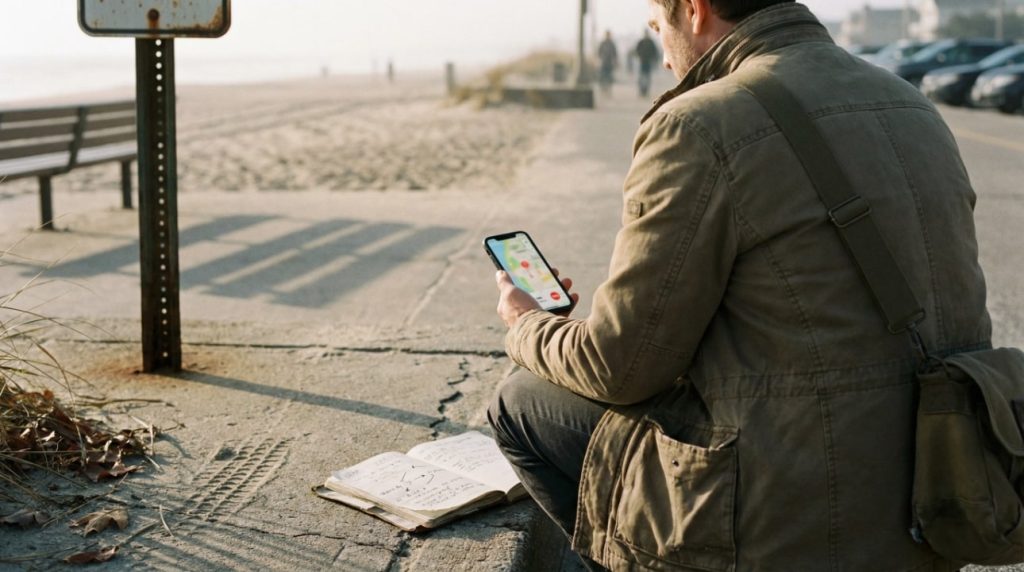
When an incident hits, time matters, but so does order. Think in three phases: first 30 minutes, first 2 hours, then after that.
In the first 30 minutes, focus on information. In the first 2 hours, widen your circle. After that, consider outside help.
Stay safe. Do not push through barriers, fight crowds, or ignore police directions. Your job is to gather and share information, not to become a second emergency.
Start with the last known time, place, and digital trail
Every investigation starts from the last known point.
Write down:
- When you last heard from them.
- Where they were.
- Who they were with.
- What they said they would do next.
Then check your phone:
- Call logs and texts for times and missed calls.
- Messaging apps for recent chats or pinned locations.
- Ride share history for drop-off points.
- Ticket or venue apps for section numbers or gate info.
- Photos and videos for time stamps and backgrounds.
Put these facts in one note. You can show this to the police, event staff, or a Private Investigator so everyone works from the same picture.
Use your phone and social media like an investigation tool
In the first 1 to 2 hours, you want to see what is happening around them.
Look at:
- Their recent posts and stories.
- Friends’ posts from the same event.
- Group chats or shared photo albums.
Send short, clear messages such as, “Have you seen Sam in the last 20 minutes? What gate or section are you at?” Direct messages and small group chats are better than public posts with private details.
Think like an investigator: check if several photos show the same stage angle, banner, or train platform. That tells you the area they stayed in as the incident started.
Talk to the right people on the ground and ask better questions
If you are near the scene and it is safe, talk to people who control access and information: security, medics, event staff, police, and transport staff.
Skip long stories. Use clear, focused questions, for example:
- “Did you see a person like this leave through this gate?”
- “Has anyone brought in someone matching this photo?”
- “Are injured people being moved to a separate area or hospital?”
Show a recent photo on your phone. Write down names, times, and what each person said. A Private Investigator keeps a log like this to avoid mixed messages later.
Check hospitals, shelters, and official hotlines in a methodical way
As time goes on, your focus widens beyond the scene.
Use a simple checklist:
- List hospitals, urgent care centers, and clinics closest to the incident.
- Add temporary shelters, emergency centers, and any official hotlines.
Call in order, starting with the closest. When you speak to staff, say:
- Full name and age.
- Clear description and clothing.
- Medical issues, if any.
- Where were they during the incident?
Ask if you can call back if you do not hear anything. Write down who you spoke with, at what time, and what they told you. This keeps you from repeating the same calls while you are exhausted.
Know when to call a professional Private Investigator
There comes a point when you may need expert help. Consider calling a professional Private Investigator if:
- Several hours have passed, and you still have no solid lead.
- Police or event staff are overwhelmed or slow to respond.
- The person may have crossed city, state, or country lines.
- You believe there is more to the situation than a simple separation.
A licensed Private Investigator can run deeper database checks, review video and timelines, interview witnesses in a structured way, and work alongside law enforcement.
When choosing one, look for:
- A current license in your state.
- Experience with missing person or witness location cases.
- Clear fees and a written agreement.
Have your notes, timeline, and photos ready. The more organized you are, the faster they can move.
Take Action When Every Minute Matters
When a major incident strikes, feeling powerless is natural, but you do not have to stay that way. Thinking like a private investigator gives you a clear path to follow and replaces panic with purpose when every minute counts.
Preparation and early action make a real difference. Keeping shared locations, recent photos, and simple emergency plans ready allows you to respond quickly, and when answers do not come fast enough, professional help can step in. If you are struggling to locate someone you love or need expert support during a critical situation, a licensed private investigator can help you take the next step with clarity, speed, and confidence.


