
Intuition vs. Anxiety in Relationships: A Private Investigator’s Reality Check
It’s 1:17 a.m. The phone is face down on the nightstand again. Your partner says they’re “just tired,” but their story about the late meeting has changed twice this week. You’re not holding a smoking gun; you’re holding a feeling.
In a Private Investigator’s world, feelings show up first. They walk in before the facts do. The problem is that intuition and anxiety can wear the same outfit, tight chest, racing thoughts, that sense of “something’s off.”
This isn’t medical advice, it’s a grounded way to sort signal from noise. Think of intuition as a calm pointer, and anxiety as a loud alarm that doesn’t always match the danger.
Intuition vs. anxiety: what each one feels like in real life
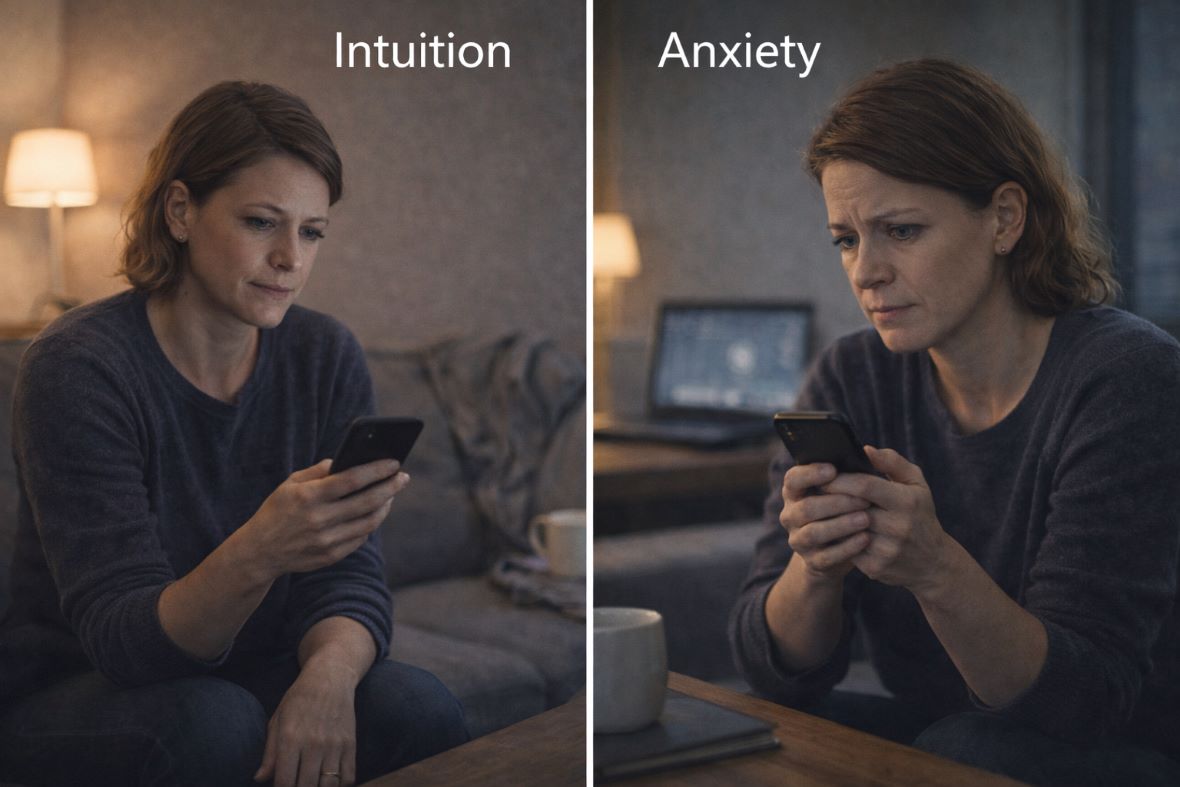
Most people don’t struggle to spot a lie; they struggle to trust their own read on it. Intuition and anxiety both show up when your relationship feels shaky, your sleep is thin, and your brain is scanning for clues.
A simple way to remember the difference is calm and clear versus urgent and spiralling. One narrows your focus. The other multiplies possibilities until everything feels guilty.
Here’s a quick comparison you can screenshot in your mind:
| What it’s like | Intuition | Anxiety |
| Tone | Quiet, steady | Loud, jittery |
| Focus | One specific concern | A chain of “what-ifs” |
| Urgency | Patient, no rush | “Act now or lose everything” |
| After a pause | Stays simple | Gets messier, spreads |
If you’re noticing concrete changes, like unexplained routine shifts, secrecy, or emotional distance, it helps to separate your internal reaction from what’s observable (this guide to signs your spouse is cheating can help you name behaviours without jumping straight to conclusions).
Intuition is quiet, specific, and steady.
Intuition often feels like a single sentence that lands and doesn’t need much decoration: “That doesn’t add up.” It’s not always pleasant, but it’s usually clean. You might still feel sad or tense, but you’re not spinning.
Common signs include a subtle body cue (a drop in your stomach, a chill), a clear focus on what’s happening right now, and a sense of direction like, “I should ask about Tuesday,” not “I should investigate their entire life.”
Example: Your partner says they were with coworkers, but when you mention a detail (the restaurant name), they pause, correct themselves, and change the timeline. You don’t explode. You notice the inconsistency and decide to bring it up when you’re both calm.
Anxiety is loud, urgent, and full of worst-case stories
Anxiety writes a disaster movie in real time. It turns a missing call into a full plot: cheating, lying, divorce, humiliation, everyone knowing but you. It adds time pressure: “If I don’t act tonight, I’ll be fooled forever.”
You’ll often feel it in the body, a tight chest, a shaky stomach, a tense jaw, and restless hands. It pushes you toward quick relief: checking their phone, rereading messages, driving past a place “just to see,” or accusing to force an answer.
Example: They don’t text back for 40 minutes. Your mind jumps to betrayal. You refresh their social media, watch their “last active” status, and rehearse a confrontation. Nothing is confirmed, but your nervous system acts like it is.
How a Private Investigator pressure-tests a hunch without letting fear drive

A Private Investigator doesn’t treat a gut feeling as proof. We treat it as a starting flag: “Pay attention here.” Then we verify. That approach can help in everyday life, too, even if you never hire anyone.
The goal isn’t control. It’s clarity, within ethical and legal boundaries, and with your safety intact. If you ever feel at risk, your next step is protection and support, not investigation.
If you’re curious how professionals think about lawful, documented observation, this overview of surveillance investigations shows why ethical lines matter (and why DIY tactics often backfire).
The “pause and verify” rule, wait for a second signal
When a feeling hits, don’t argue with it. Don’t obey it either. Try this quick process:
- Pause. Put both feet on the floor, unclench your hands.
- Name it. “This is anxiety,” or “This is a hunch.”
- Write one sentence. “I’m concerned because you said X, then said Y.”
- Wait if it’s safe. Give it 20 minutes, or one sleep cycle.
- Check the shape of it. Intuition tends to stay simple. Anxiety tends to multiply.
Why this works: anxiety feeds on speed. Intuition doesn’t need speed to stay true. If the concern is real, it will still be there tomorrow, and you’ll handle it better with rest.
Turn a feeling into facts, timelines, patterns, and inconsistencies
In real cases, “evidence” isn’t mind-reading. It’s patterns you can point to without guessing motives. In daily life, that might look like dates, contradictions, repeated secrecy, and measurable changes.
A small PI-style checklist that stays on the right side of ethics:
- Timeline it: Write dates and what was said, in plain words.
- Look for repeats: One odd night is a data point, five is a pattern.
- Track inconsistencies: Same question, different answers.
- Notice sudden privacy shifts: New passwords, guarded devices, unexplained absences.
- Avoid illegal or invasive acts: No breaking into accounts, no tracking without consent, no trespassing.
This is about reducing fog. The clearer the facts, the cleaner your next conversation becomes.
If you’re stuck in anxiety, how to protect your peace and make a clean next move
When anxiety is running the show, your choices get sloppy. You chase relief, then regret it. Protecting your peace starts with slowing your body down, then making one decision you’ll respect later.
You don’t need to “be chill.” You need to be steady.
Ground your body first, then decide what you’ll do (and what you won’t)
Try a simple reset: inhale slowly for four counts, exhale for six, for two minutes. Take a short walk. Run cold water over your hands. These aren’t magic tricks, they’re brakes.
Pick one boundary around checking behaviours. For example: no phone checking after 9 p.m., no surprise interrogations, no driving by places “to confirm.”
If you choose to talk, keep it clean and calm:
“I noticed the timeline changed. I feel uneasy. I need a straight answer, and I need us to talk without jokes or anger.”
Know when to call in support, personal, professional, or both
Get backup if your sleep is wrecked, you’re stuck in rumination, you’re having panic symptoms, you feel unsafe, or you’re tempted to do risky things to “get proof.” A licensed mental health professional can help with anxiety and trauma responses.
When faced with challenges in your relationship, seeking couples therapy can be a valuable step. A trained therapist can help both partners communicate more effectively, address underlying issues, and navigate conflicts in a healthy way. It’s especially important to consider couples therapy if you’re experiencing ongoing misunderstandings, emotional distance, or if one partner is struggling with anxiety or trauma that affects the relationship. Therapy provides a safe space for both partners to express their feelings and work toward a better understanding. By collaborating with a professional, couples can learn tools to strengthen their bond and build a more resilient partnership.
A Private Investigator may be appropriate when you have a specific, verifiable concern and you want facts, not guesses. If you’re weighing that step, it helps to understand practical expectations, including the costs of private investigator infidelity investigations, so that you can decide with a clear head.
Navigating Intuition and Anxiety in Relationships**
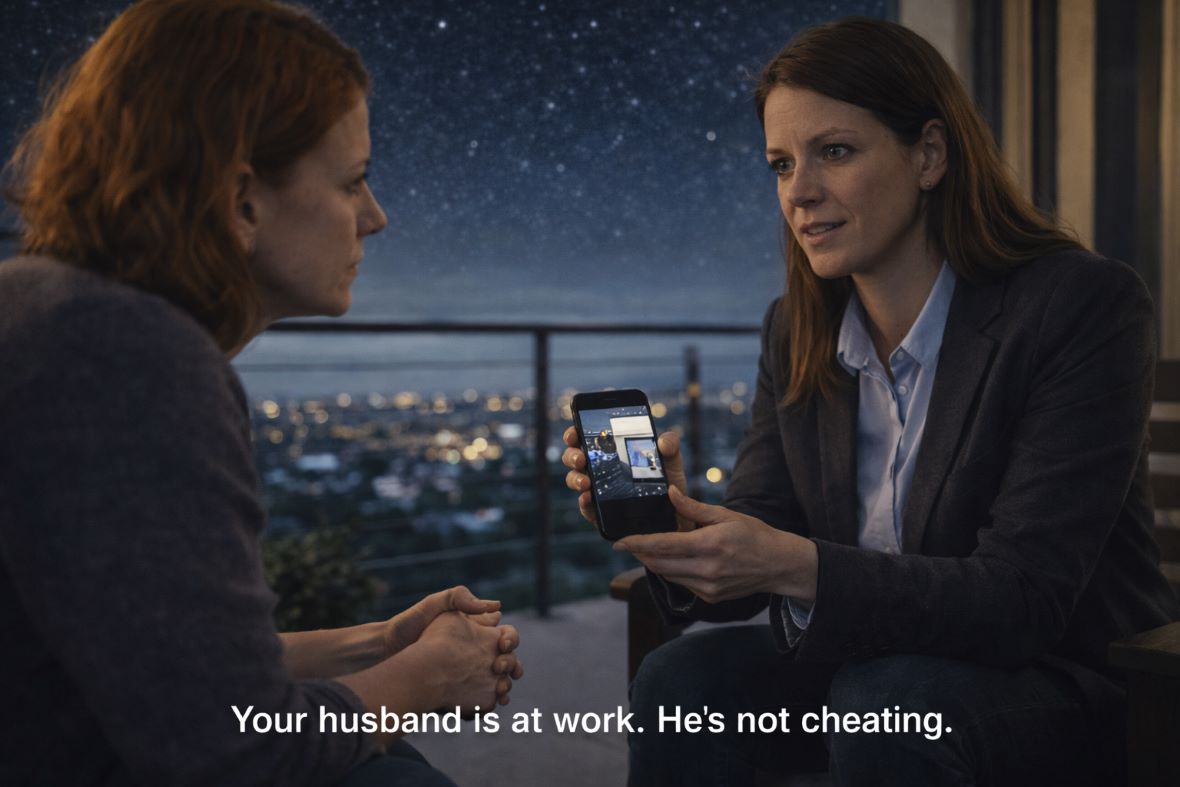
If your relationship feels unstable, your mind may attempt to fill in the gaps. Intuition provides quiet and clear insights, while anxiety can be loud, urgent, and relentless; it often needs to be calmed before making any major decisions.
A simple next step is to write down your concern in one sentence, pause, and then verify it with observable facts. Whether you address it through a conversation, seek professional support, or consult a private investigator, choose the path that safeguards your safety, dignity, and the truth.
FAQ: quick answers about intuition, anxiety, and getting clarity
Can intuition be wrong, even if it feels calm?
Yes. Intuition is a signal, not a verdict. Past betrayal, stress, and bias can shape what feels “true.” That’s why calm intuition still needs a reality check. If you can’t describe your concern in one sentence, you may be reacting to fear instead of a clear cue.
Why does anxiety feel like a warning from my gut?
Because your body’s alarm system is built to protect you, under stress or uncertainty, it can fire fast, even when the threat is unclear. The giveaway is the storyline: anxiety stacks “what-ifs,” creates urgency, and pushes you to check or accuse to get quick relief.
Should I hire a Private Investigator if I feel something is off in my relationship?
Only when there’s a clear concern you can’t resolve through a calm talk, and you’re looking for facts. Choose licensed professionals, agree on the goal upfront, and respect privacy laws. If the main issue is constant fear, start with personal support first.