
How a Private Investigator Can Track a Phone Number in 2026 (Legally)
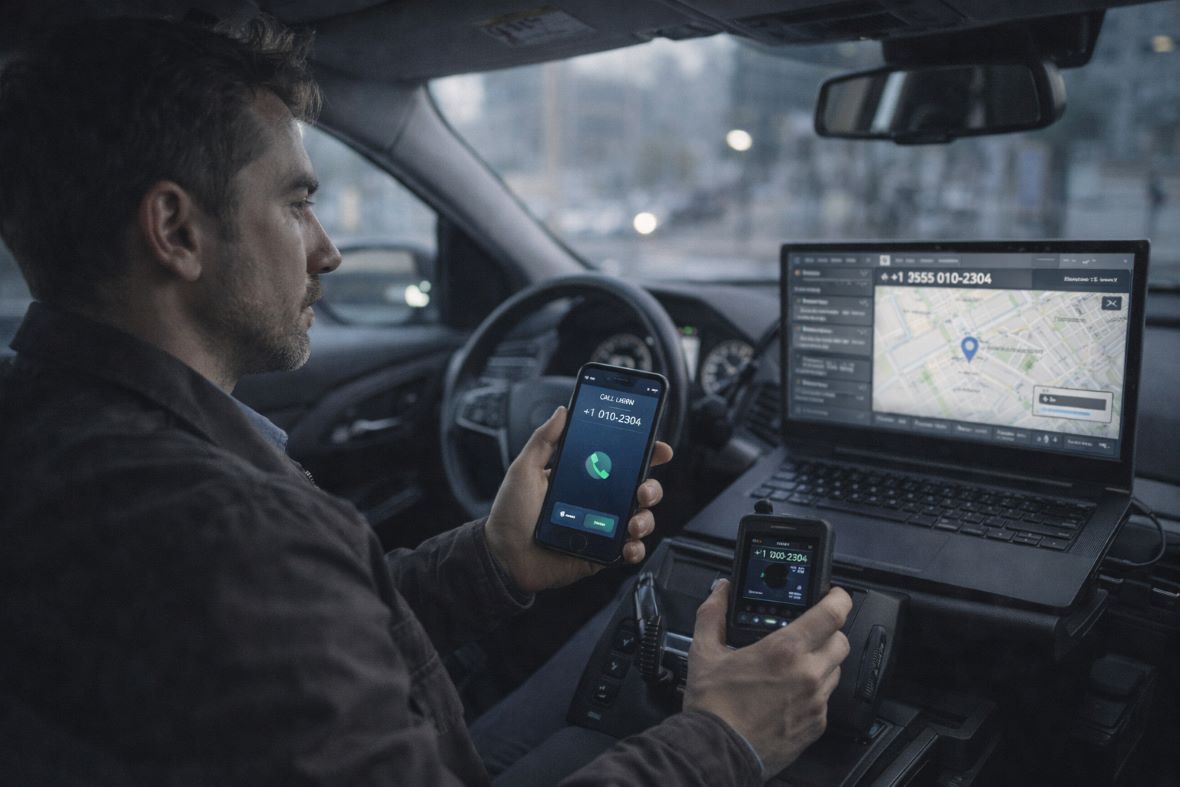
When you say you want to track a phone number, you typically seek one of three things: identifying the person behind it, locating where it’s being used, or uncovering patterns such as repeat calls or late-night texts. In 2026, with the involvement of a private investigator, phone number tracking still revolves around these core needs. Still, privacy regulations are stricter, scams are more prevalent, and promises of instant live location often fall short.
Here’s the reality you need to hear early: a Private Investigator can’t legally live-track any number on demand. Real-time location data from a carrier typically requires consent, a court order, or law enforcement involvement, depending on where you are and what’s at stake.
What you can do is follow a transparent, lawful process that turns a phone number into usable leads and solid evidence, without risking your case, your safety, or your reputation.
Unlocking the Secrets: How to Effectively Track a Phone Number in 2026
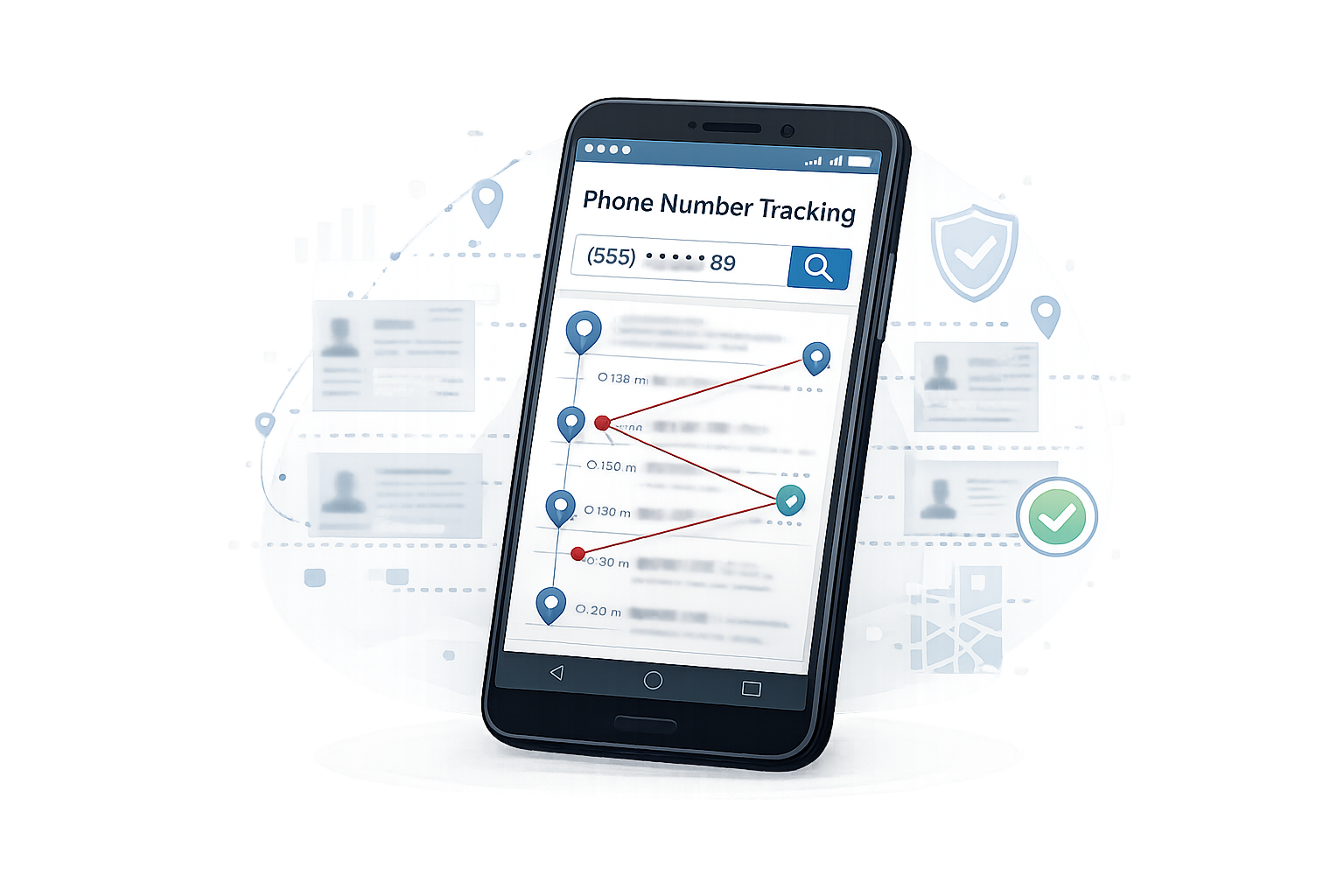
Tracking a phone number isn’t like magic. When people investigate, it means they find proof step by step, like building a puzzle with real facts. Here’s what you usually want to do in 2026:
- Find out who is using the phone number or figure out a few likely people.
- Connect the phone number to real names, past addresses, business listings, and online accounts.
- Watch how the person uses the phone number in your life, but do it legally without spying.
A good Private Investigator starts with the phone number, especially when they need to track a phone number, but they know it’s just the beginning. If they find one clue or one match on social media, that doesn’t mean it’s true. It needs to be checked because people often reuse numbers, use special apps, or pretend to be someone else.
If you’re curious about how people can legally track a phone number using GPS, app permissions, or cell tower signals, you can read a simple guide that explains mobile phone tracking methods.
Track a phone number, who is behind it (without hacking)
A good Private Investigator starts with the phone number, especially when they need to track a phone number, but they know it’s just the beginning. If they find one clue or one match on social media, that doesn’t mean it’s true. It needs to be checked because people often reuse numbers, use special apps, or pretend to be someone else.
You should also expect mistakes. People move, names change, and numbers get reassigned. That’s why a competent investigator verifies a number with more than one source before treating it as a real match. If the only “proof” is a single web page, it’s not proof, it’s a risk.
Find patterns, not secret location pings.
A phone number can still tell a story, even without real-time location. The story often follows a pattern: when contact occurs, how it usually repeats, and whether the number appears in ads, profiles, or marketplace listings tied to a specific area or identity. By analysing these elements, you can track a phone number’s usage and identify trends or associations that may not be immediately obvious.
This is different from “triangulation” or carrier-based location pings. Those are carrier network functions and are generally not available to private parties on request.
If you’re the account holder (or you control the relevant business account), your own call logs and billing records can sometimes be reviewed to build timelines and contact patterns. That review is about evidence you already have the legal right to access, not secret interception.
How a Private Investigator Can Legally Track a Phone Number

In 2026, private investigators follow rules similar to those in many places. They usually work in five main ways:
- They get permission from people to help them.
- They look at the records clients give them.
- They find information using open-source intelligence (OSINT).
- They access special databases they’re allowed to use.
- They work with lawyers for legal steps.
One important job they might do is track a phone number, which means finding out where a phone is or who is using it, all while following the rules. You’ll get the best outcome when you start with a clear purpose.
Are you dealing with harassment, a missing person, suspected infidelity, fraud, or a civil dispute? The purpose shapes what can be collected, how it’s documented, and what will actually help you later.
Privacy laws are really important! For example, in Australia, there are rules that keep things private, like your phone calls and messages. These rules can prevent people from using tracking devices to locate someone or from listening to private conversations without permission. If someone tells you, “We can track a phone number using live carrier pings” without any paperwork, be careful! That could be a sign that something is wrong, not something good. Always remember to keep your personal information safe!
Consent-based options (the cleanest way)
Consent solves a lot of legal and evidentiary problems, and it keeps you safer.
Common consent scenarios include:
The phone owner agrees in writing: This can allow certain location-sharing or device-review work, provided the consent is genuine and specific.
Employer-owned devices with a written policy: If a business device is issued under a clear policy, an employer may have options that a spouse or friend doesn’t.
Parents and minors: A parent may be able to monitor a child’s phone, but local rules still apply, especially for older teens and in shared-custody situations.
If a device needs a forensic review, the investigator should confirm authority first. Written consent matters because it protects you if the results end up in court. It also prevents your case from turning into an argument about how the evidence was obtained.
Using investigative databases and OSINT to track a phone number
When you want to track a phone number, you can start with free searches. These might help, but they might not find everything you need. Some Private Investigators use special paid databases that let them look up more details. They can find things like where someone lived before, whether they own a business, and even whether they paid for their utilities, depending on the rules.
Another cool tool is called OSINT. This helps fill in the missing pieces. For example, it can show whether the phone number is listed on social media or in online ads, or whether people have reported it for scams. The most important part is making sure you have the right person. A Private Investigator doesn’t want to blame someone because two different people in the same city used the same number.
If your situation is about locating someone who’s actively avoiding contact, you may also benefit from skip tracing services. It’s a legal process when done for a legitimate purpose, and it often relies on careful verification rather than shortcuts.
When lawyers or police get the records, a PI helps make sense of them
Carrier data is the line most people misunderstand. Tower records, account subscriber details, and precise location pings are generally not directly available to a Private Investigator. Those records usually require consent from the account holder or a formal legal process handled through attorneys or law enforcement.
Where a PI becomes valuable is what happens after lawful access is obtained. If your lawyer secures records in a civil matter, an investigator can help build a timeline, correlate the data with real-world events, and spot inconsistencies. Think of it like turning raw receipts into a straightforward, stand-up narrative.
What a Private Investigator Can Do That You Usually Can’t (and Where the Line Is)
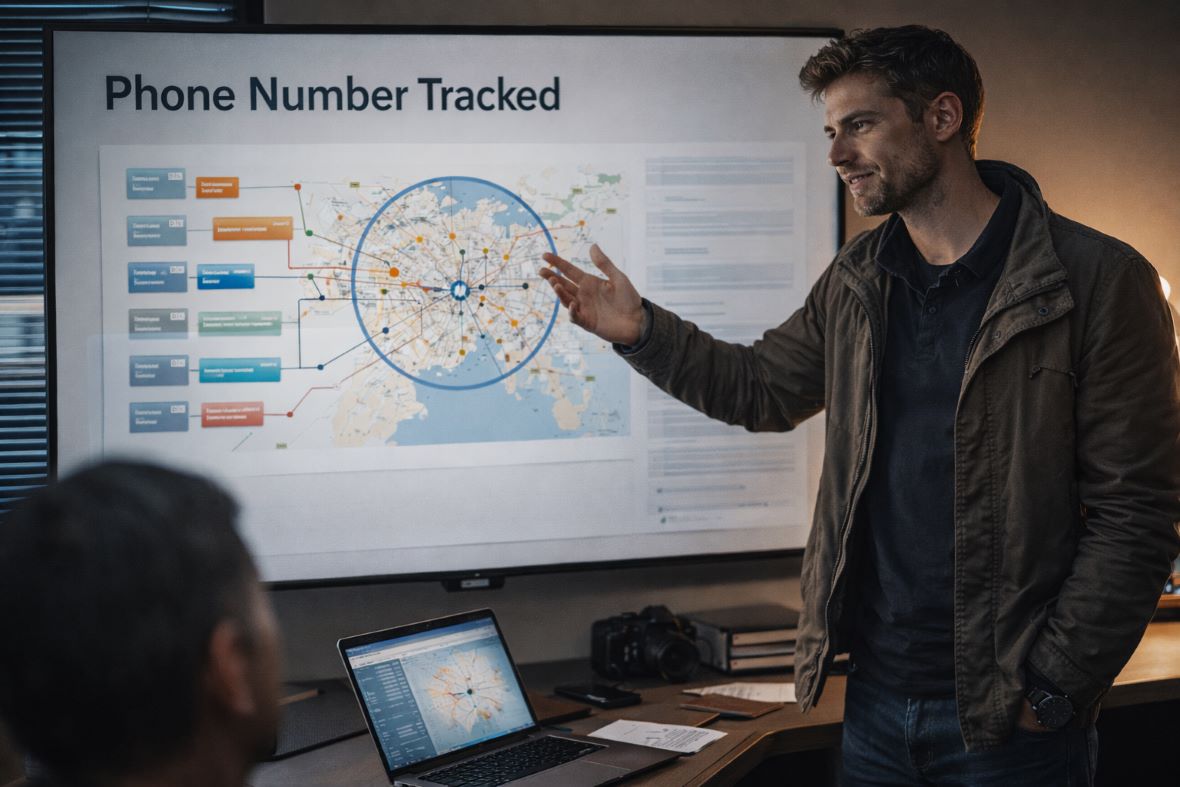
Tracking a phone number can be really tough. You might find a lot of wrong information, scam websites, and not enough answers. A Private Investigator (PI) is someone who helps you in a better way. They don’t just have secret ways to find numbers; they check things carefully and keep track of important information that you can trust.
Here’s how a PI makes it better: first, they work quickly and use their time wisely. Second, they make sure the information they find is correct. Third, they write everything down clearly. When you’re upset or worried, it’s easy to make quick guesses, but a PI takes their time to find the real facts and makes sure everything they find is reliable. If you’re weighing whether to hire help, it’s smart to read about the hidden risks of hiring a private investigator, so you know what red flags to avoid.
Legit advantages: better sources, better checks, better court-ready notes
A good investigator can reduce guesswork by:
Using professional databases that aggregate lawful data sources and help confirm identity over time.
Spotting burner and spoofing behaviour that tricks basic reverse lookups.
Keeping clean notes and a simple chain of custody, meaning clear records of what was found, where it came from, and when it was collected.
That last part matters more than most people expect. If your goal involves court, custody, or workplace discipline, sloppy evidence can collapse fast.
Hard no areas: spyware, secret interception, fake “carrier access,” and stalking
Some requests are not just unethical, they’re dangerous for you.
A legitimate PI won’t install stalkerware on a phone without proper authority, intercept calls or texts, pretend to be police or a phone company, or sell you “live location pings” from a carrier. Those are common scam claims that can lead to criminal and civil charges, as well as the loss of an investigator’s license. They can also make your evidence unusable if you end up in a legal dispute.
Final Thoughts on How to Track a Phone Number
In 2026, when you hire a Private Investigator to track a phone number, you’re mostly paying for identity work and evidence building, not a Hollywood-style live GPS map. The best results come from clear goals, lawful methods, and careful verification.
Before you call, write down what you already have: the number, dates and times, screenshots, voicemails, and who owns the relevant phone account. Then ask for a consultation with a licensed investigator who will explain the legal plan upfront and confirm that the work will follow local privacy and surveillance laws. Your next step is simple: choose clarity over shortcuts, and protect your case from day one.