
You can feel excited about a new match and still want a background check before you meet. That’s not paranoia, it’s basic risk control. Online dating makes it easy for someone to hide a spouse, reuse old photos, spin a fake job story, or push you into a money scam.
A quick check also helps with the stuff that feels harder to name, like when their story keeps shifting, or your gut won’t settle. You’re not trying to “catch” someone, you’re trying to meet a real person, safely.
When the stakes are higher (a fast-moving relationship, travel plans, or kids involved), a Private Investigator can run a lawful, thorough background check and document their findings. Keep it legal, respect privacy, and avoid risky DIY moves that cross lines or put you in danger.
When to run a background check for online dating (and what you can safely do first)
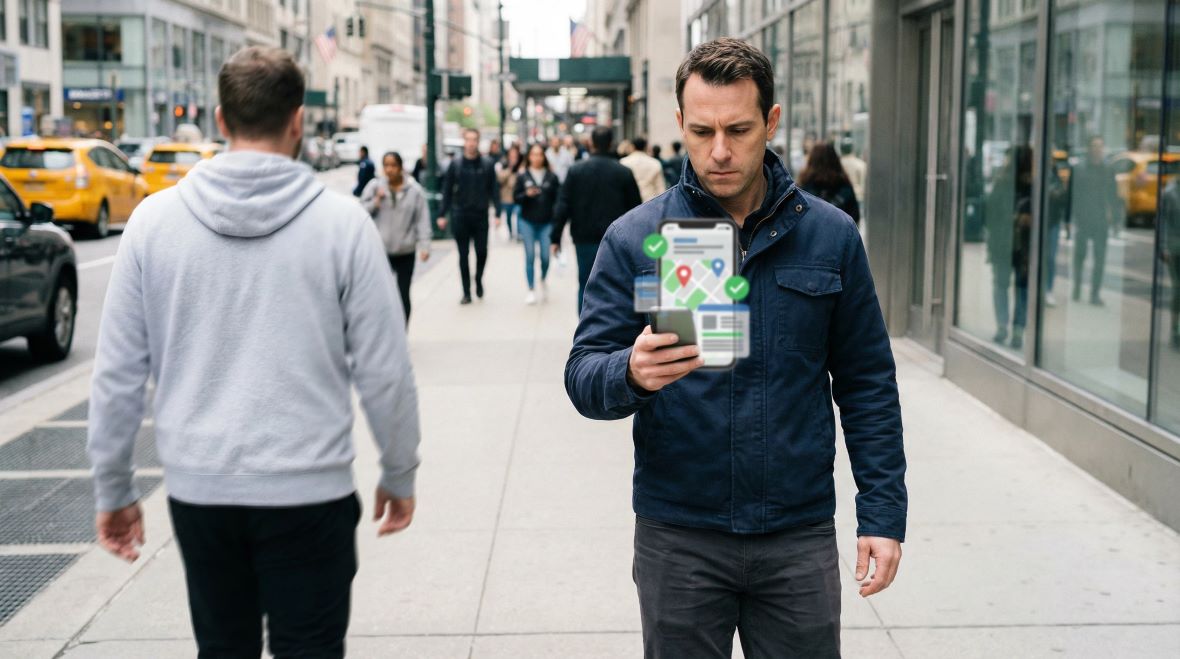
Think of dating due diligence like locking your door at night. You’re not accusing anyone; you’re reducing avoidable risk. In the world of online dating truths, it’s crucial to recognise that not everyone is who they claim to be. Verifying profiles, conducting subtle background checks, and engaging in thoughtful conversations can help uncover the truth behind online personas.
A simple decision guide can help streamline this process: ask the right questions, trust your instincts, and take your time getting to know someone before diving in.
Low concern: You’ve had consistent chats, a video call, and a regular plan to meet in a public place.
In this lane, basic self-checks (public info only) are usually enough.
Medium concern: Something doesn’t add up, but you don’t have a clear “no.”
This is where a targeted background check makes sense, focused on identity and safety, not digging into every detail.
Great concern: They’re pushing urgency, hiding basics, or you’re planning higher-trust steps (overnights, travel, lending money, meeting at your home address).
In this lane, it’s reasonable to step up to a professional check or pause the relationship until you have clarity.
The mistake people make is acting on a single clue. You see one odd detail and assume the worst, or you ignore ten minor inconsistencies because the chemistry is strong. Better decisions come from enough facts, checked in context, not from fear or wishful thinking.
Red flags that justify a background check before you meet
Red flags don’t prove anything on their own. They tell you it’s time to verify basics before you invest more time or put yourself in a risky setting.
Watch for patterns like these:
- Their name, job title, or age changes when you ask simple follow-ups.
- Their photos look mismatched (different years, different faces, odd “model” vibes).
- They push you off the app (WhatsApp, Telegram, private email) and then get pushy.
- They ask for money, gift cards, crypto, “help with rent,” or “a loan until payday.”
- They get angry when you set boundaries, or they guilt-trip you for being careful.
- They stay vague about where they live, or they dodge local questions.
- They claim they’re overseas (military, oil rig, “stuck in customs”), then need help.
- They love-bomb hard (soulmate talk in days), then demand quick commitment.
- They refuse a video call, or they always have a reason that “it “can’t work.”
When you see several of these together, treat it like a smoke alarm. You don’t need proof of a fire to step outside and check.
Low-risk checks you can do yourself without crossing lines
You can do a lot without becoming a detective or breaking the rules.
Start with basics that stay on the safe side:
- Confirm their full name and a working phone number (if they’re comfortable sharing).
- Run a reverse image search on profile photos.
- Compare public social profiles for consistency (photos, city, friends, timeline).
- Look for matching work history using public info (company site, LinkedIn-style profiles).
- Use a video call before meeting, even a quick one.
- Meet in public, arrive and leave on your own, and keep your address private.
- Tell a friend where you’ll be, and set a check-in time.
- Keep screenshots of chats if anything feels off.
If you want help verifying a phone number tied to a real person, consider professional phone number search services rather than sketchy apps.
Avoid tactics that can backfire fast: pretending to be someone else, trying to access private accounts, paying for leaked data, or attempting to pull restricted records. Those moves can create legal trouble and raise your risk.
What a Private Investigator can find in a dating background check (and what you should ask for)

A Private Investigator Sydney isn’t there to feed jealousy. They’re there to check identity, confirm key claims, and reduce the chance that you’re making decisions based on bad information.
The most significant benefit is the process. Trained investigators tend to:
- Check more than one source.
- Document where the information came from.
- Slow down when records conflict.
- Focus on accurate identity matching to avoid confusing two people with the same name.
That last point matters. Even large systems can contain outdated records or minor data entry errors that can seriously affect real people. In other settings (including government), oversight reviews have found that wrongful actions often stem from “act first, check later” thinking and from relying on a prior decision without re-checking when new information arises. A careful investigator works the opposite way: verify first, then decide what it means.
A short checklist of what to ask for:
- Purpose and scope: Identity and safety, not gossip.
- What sources were used: Public records and lawful databases only.
- How identity was matched: Date of birth, addresses, aliases (where allowed).
- What you’ll receive: A written summary, and what’s confirmed versus uncertain.
- What they can’t do: Any illegal access, hacking, or harassment.
Standard checks that help you confirm identity and spot risk
A lawful background check can vary by location and what’s permitted. In general terms, you may be able to request work that helps confirm:
Identity basics: Name use, possible aliases, and consistency across records.
Address and location clues: Prior addresses or location history, where lawfully available.
Civil records and business ties: Company directorships, business registrations, or repeated patterns tied to scams.
Professional licenses: If they claim to be a nurse, lawyer, or broker, public licensing checks can sometimes confirm status.
Court records (where permitted): Some jurisdictions allow specific court data searches, with limits.
Financial distress indicators: Bankruptcy or insolvency records may be publicly available in some jurisdictions.
Good investigators won’t promise outcomes. They’ll tell you what they can likely check, what may be restricted, and what can’t be verified.
How a professional investigation protects you and the results
A solid investigation is boring on purpose. It relies on rules, documentation, and careful handling of information.
Good practice looks like this:
- Fair, consistent methods: You check facts the same way each time, without bias.
- Clear notes and audit trail: Decisions and sources are recorded, allowing errors to be identified.
- Secure handling of sensitive info: Data is stored and shared carefully, not sprayed across email threads.
- Double-checking conflicts: When two sources disagree, the investigator doesn’t guess; they reconcile.
- Careful identity matching: Same-name mix-ups happen, so pros verify with multiple identifiers.
This method minimises the risk of acting on inaccurate data or causing harm due to outdated, misfiled, or incorrectly linked records.
What to ask before you hire a Private Investigator
Keep this part simple. You’re hiring someone to handle sensitive information and guide your decisions.
Ask:
- Are you licensed where you work, and what’s your experience with dating-related checks?
- What sources do you use, and what’s legally off-limits?
- How do you confirm you’ve got the right person?
- What’s the turnaround time and total price?
- How do you protect my data and the subject’s privacy?
- What will the deliverable look like (written report, source summary, call)?
- What won’t you do, even if I ask?
Legal, ethical, and safety rules for dating background checks

You can protect yourself without turning the check into harassment. The goal is safety and clarity, not control.
Privacy, consent, and staying on the right side of the law
Laws vary by state and country. Some information is public, some is restricted, and some is illegal to access without permission. Keep your check focused on safety and identity, not humiliation or revenge.
Bright-line rules that keep you safer:
- Don’t hack, threaten, impersonate, or “social engineer” someone’s employer or friends.
- Don’t share results publicly, even if you’re angry.
- Don’t keep digging once you’ve made your decision.
Also, don’t reuse dating background information for other purposes, such as employment or housing decisions, because different legal rules may apply.
How to use what you learn without putting yourself at risk
Use the results like you’d use a weather report. It informs your plan; it doesn’t force one reaction.
Practical steps:
- Don’t confront them privately if you’ve found serious issues.
- Trust patterns, not one data point.
- Save screenshots, then block and report scams to the app.
- If you feel threatened, contact local authorities.
For first meetings, stick to public places, choose your own transportation, and set a check-in plan with someone you trust.
Final things to consider
A dating background check works best when you treat it as a safety tool, not a weapon. Start with low-risk steps, video calls, public meetings, and basic public info checks. If you see strong red flags or you’re moving into higher-trust territory, hiring a private investigator can help you verify identity and reduce guesswork while staying lawful and respectful.
Your next step is simple: write down your safety plan for the first meeting, and list your non-negotiables. When you follow your plan, your confidence rises, and your risk drops.
Frequently Asked Questions
Can a background check tell me if someone is married or using a fake identity?
In many cases, yes. A lawful investigation may confirm identity consistency, aliases, business ties, and public records that reveal patterns inconsistent with the story you’ve been told.
Is it legal to run a background check on someone you met through online dating?
Yes, as long as the check uses publicly available information and lawful databases. A licensed private investigator Sydney knows what can and cannot be accessed and ensures privacy laws are respected.