
As more Australians turn to professional help to resolve doubts, disputes, and safety concerns, private investigator surveillance is playing an increasingly important role in uncovering the truth. When stories stop lining up, money goes missing, or someone’s behaviour changes without explanation, discreet observation can reveal what really happens when no one thinks they are watching. For many people, this is the turning point that turns suspicion into clarity.
What Surveillance Really Means in Private Investigation
In everyday language, “surveillance” often sounds dramatic or intrusive. In reality, it is a structured, lawful method of watching, recording, and documenting behaviour in real-world settings.
A private investigator may:
- Follow a person in public places
- Record movements, meetings, and locations
- Take time-stamped photos or video.
- Note patterns in daily routines
All of this is done within strict legal and ethical boundaries. Investigators cannot break into homes, plant illegal devices, or hack phones. Instead, they rely on training, patience, and strategy to capture genuine behaviour in real time.
Why People Turn to Surveillance in the First Place
Most clients do not start with surveillance. They start with a feeling. Something is “off,” but they cannot prove it.
Common situations include:
- A partner who keeps changing their story
- An employee claiming an injury while working elsewhere
- A parent worried about who their child is meeting
- A business owner is concerned about theft or insider leaks
A family member fearing elder neglect or exploitation
These situations are emotionally heavy. Confronting someone too early can create arguments, denials, or even legal trouble. Surveillance allows a private investigator to gather facts quietly, so decisions are based on evidence, not guesswork.
How Surveillance Gives Insight Into Hidden Behaviour
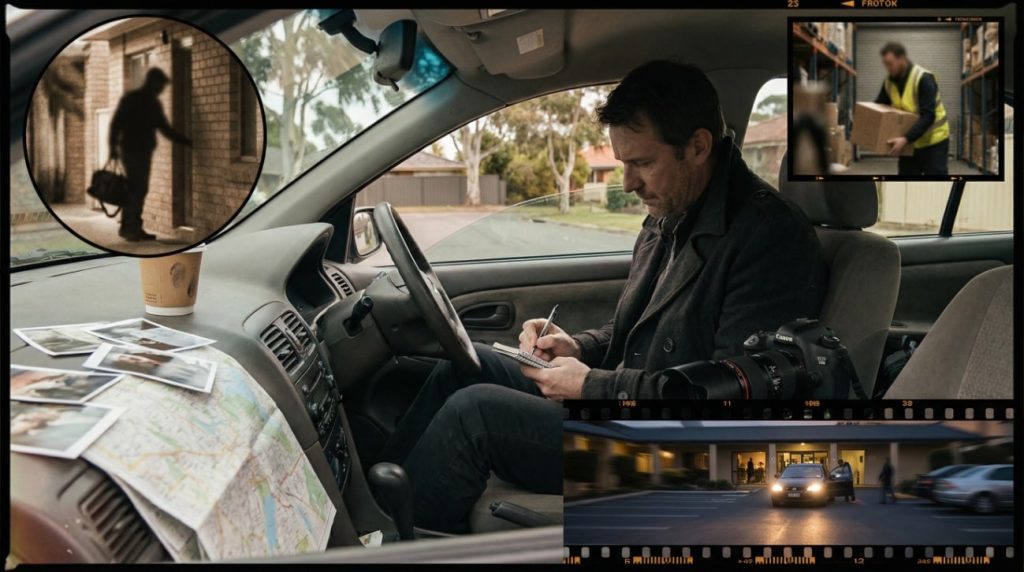
Surveillance is powerful because it shows what people do, not just what they say. It reveals:
- Where someone really goes
- Who they meet with
- How long do they stay
- What they do when they think no one is watching
For example, an employee claiming a serious back injury might be recorded lifting heavy boxes at another job. A partner who insists they are “working late” might be seen regularly entering a hotel with the same person. A carer trusted to look after an elderly person might be observed leaving them alone for long periods.
These insights are not just about “catching” someone. They help protect children, vulnerable adults, finances, and personal safety.
The Step-by-Step Process of Surveillance
Every surveillance job begins with planning.
A private investigator will usually:
- Gather background information – names, addresses, vehicles, routines, and known associates.
- Agree on the brief – what the client wants to know, what is in scope, and what is not.
- Assess legal limits – what can be done lawfully in that state or territory.
- Create a strategy – locations, times, and observation methods.
On the day, the investigator selects a discreet position or moves with the subject while blending into the environment. They may use tools such as cameras, long lenses, or dash cams, always in line with local surveillance and privacy laws. Afterwards, they prepare a detailed report with images, notes, times, and locations.
This documentation can be used simply for personal understanding or, where appropriate, for legal action.
Types of Cases Where Surveillance Is Most Effective
Surveillance is not the right tool for every problem, but it is extremely effective in certain types of investigations. These often include:
- Suspected infidelity or secret relationships
- Workers’ compensation and injury fraud
- Child custody and welfare concerns
- Misuse of company time or resources
- Stalking, harassment, or safety threats
In each case, the goal is not drama. The goal is clarity. When patterns are recorded over several days, the evidence can show whether concerns are justified or unfounded. In some situations, clients are relieved to discover that nothing suspicious is occurring at all.
Legal and Ethical Boundaries of Surveillance
A key benefit of hiring a licensed private investigator is knowing that surveillance will be conducted legally. There are clear things a PI cannot do, such as:
- Installing hidden cameras in private homes without consent
- Recording audio in places where people expect privacy
- Hacking phones, accounts, or computers
- Trespassing on private property
- Placing GPS trackers on vehicles you do not own or control
Instead, investigators work within the law by staying in public areas, using lawful vantage points, and relying on what can be seen or recorded without breaking rules. This matters not just for ethical reasons, but also for the admissibility of evidence. Courts are far more likely to accept material gathered properly than anything obtained through shortcuts or illegal methods.
How Surveillance Supports Court and Insurance Cases
When disputes end up in court, or when insurance claims are challenged, good surveillance can be the difference between success and failure. Judges and insurers prefer clear, objective evidence. A private investigator provides:
- Date and time-stamped photos and videos
- Logs of locations, vehicles, and interactions
- Independent notes from a neutral observer
For example, in a family law matter, surveillance may confirm whether a child is being exposed to risky people or environments. In an insurance case, footage might prove that an injury is exaggerated. These findings can influence settlements, custody orders, or compensation outcomes.
Because investigators follow legal procedures, their reports carry more weight than rumours or emotional accusations.
Surveillance and Personal Peace of Mind
Not every case is about the court. Often, people simply want to know the truth so they can decide what to do next. Living with constant doubt is mentally exhausting. It affects sleep, work, relationships, and health.
Surveillance provides answers. Sometimes it confirms fears. Other times, it clears them. Either way, the client can stop wondering and start planning. They may choose counselling, legal advice, separation, or restructuring their business. Whatever the choice, it is based on facts, not assumptions.
This is one of the most valuable benefits of working with a private investigator: the chance to move forward with confidence.
Why DIY Surveillance Can Backfire
Some people consider “doing it themselves” by following someone, recording them, or placing their own devices. This is risky for several reasons.
First, untrained surveillance is easy to spot, which can cause confrontation or even danger. Second, many DIY methods accidentally cross legal lines based on Australian Privacy Principles guidelines. Recording in the wrong place, following too closely, or accessing someone’s private information could trigger criminal charges or civil claims. Third, any evidence collected improperly may be thrown out or used against the person who gathered it.
A professional private investigator understands how to stay unnoticed, how to obey the law, and how to document behaviour in a way that stands up to scrutiny.
Choosing the Right Private Investigator for Surveillance
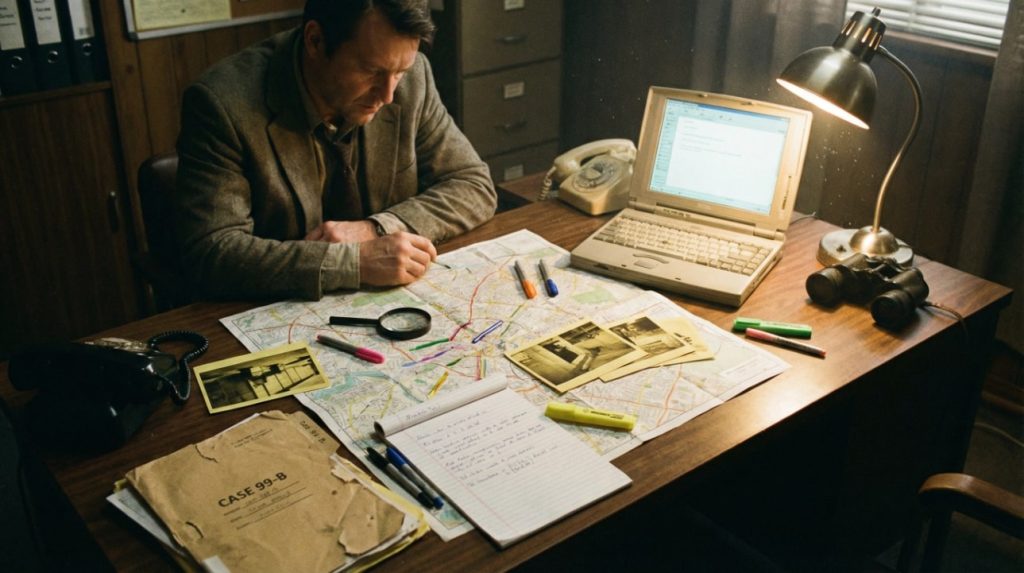
Not all investigators offer the same level of skill or care. When considering who to hire, it helps to look for:
- A current licence in your state or territory
- Insurance and proof of professional standing
- Experience with the type of case you have
- Clear explanations of legal limits and realistic outcomes
- A commitment to confidentiality and discretion
A good private investigator will not push you into surveillance if it is not the right tool. Instead, they will listen, ask questions, and suggest an approach that fits your situation, your budget, and your goals.
Surveillance as a Tool for Truth, Not Just Suspicion
At its core, surveillance is about more than catching someone out. It is about protecting people, uncovering patterns, and bringing the truth into the light when it has been hidden. For families, it can protect children and vulnerable relatives. For businesses, it can prevent long-term losses and fraud. For individuals, it can end years of doubt and anxiety.
When carried out by a trained, licensed private investigator, surveillance becomes a powerful, lawful way to see what really happens behind closed doors without breaking the rules.
If you are worried about hidden behaviour and feel that something is not right, you do not have to face it alone. Support is available, and with the right help, you can finally get the answers you need to make informed decisions about your future.