
As more of life shifts online, images have become some of the most powerful clues in modern investigations. From fake dating profiles and romance scams to anonymous threats and stolen goods, a single photo can reveal far more than most people realise. In Australia, a licensed Private Investigator can use image tracing techniques to uncover identities, verify stories, and connect digital evidence to real-world people—often long before standard processes catch up.
Why Images Matter in Modern Investigations
Almost every interaction now leaves a visual trail. People share selfies, marketplace photos, screenshots, holiday snaps, and profile pictures across multiple platforms. Scammers do the same. They often reuse or slightly edit images, assuming no one will notice.
However, a trained investigator knows that images are rarely “just pictures.”
They can show:
- Locations
- Landmarks
- Uniforms
- Tattoos or jewellery
- Background objects
- Screens or reflections
Each of these details can point to who a person is, where they were, or what they were doing. Image tracing turns those visual hints into usable evidence.
What Is Image Tracing?
Image tracing is the process of tracing an image’s origins, how it has been used online, and what it can tell us about the person behind it. It is not magic, and it is not hacking. Instead, it combines open-source intelligence (OSINT), search tools, pattern recognition, and careful visual analysis.
A Private Investigator uses image tracing to answer questions like:
- Has this photo appeared somewhere else before?
- Is this person who they claim to be?
- Is this item really for sale, or was the photo stolen?
- Does this image link to other accounts or identities?
This is particularly useful in cases involving online dating, romance scams, harassment, fraud, and stalking, as well as stolen property.
Legal Boundaries for Image Tracing in Australia
Despite its power, image tracing must stay within strict legal and ethical limits. Private investigators in Australia must:
- Be licensed under state or territory law
- Follow privacy and surveillance legislation.
- Avoid hacking, unauthorised access, or impersonation.
They are allowed to analyse publicly available images, client-supplied screenshots, or materials obtained lawfully during an investigation. They cannot break into private accounts or systems.
This legal framework protects both the client and the investigator. It also helps ensure that any evidence gathered is more likely to be accepted in court or by police, insurers, or other authorities.
Key Image Tracing Techniques Used by Private Investigators
Reverse Image Search
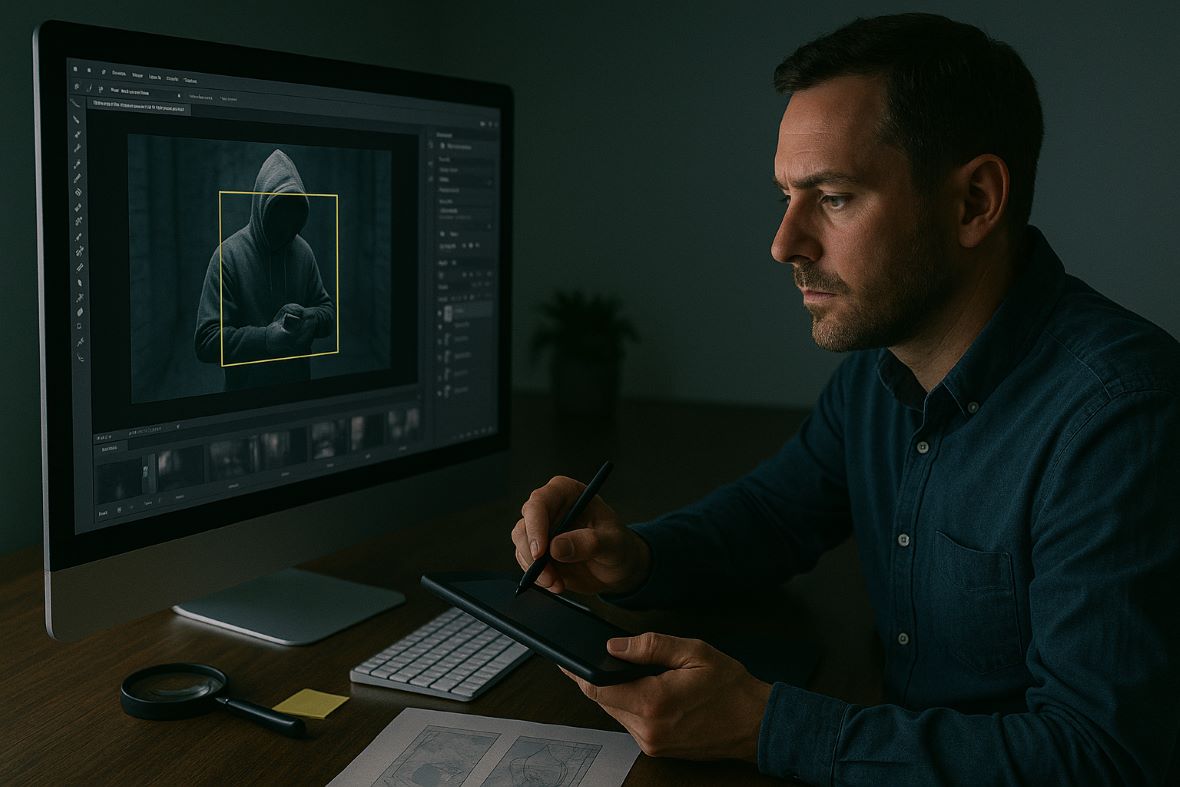
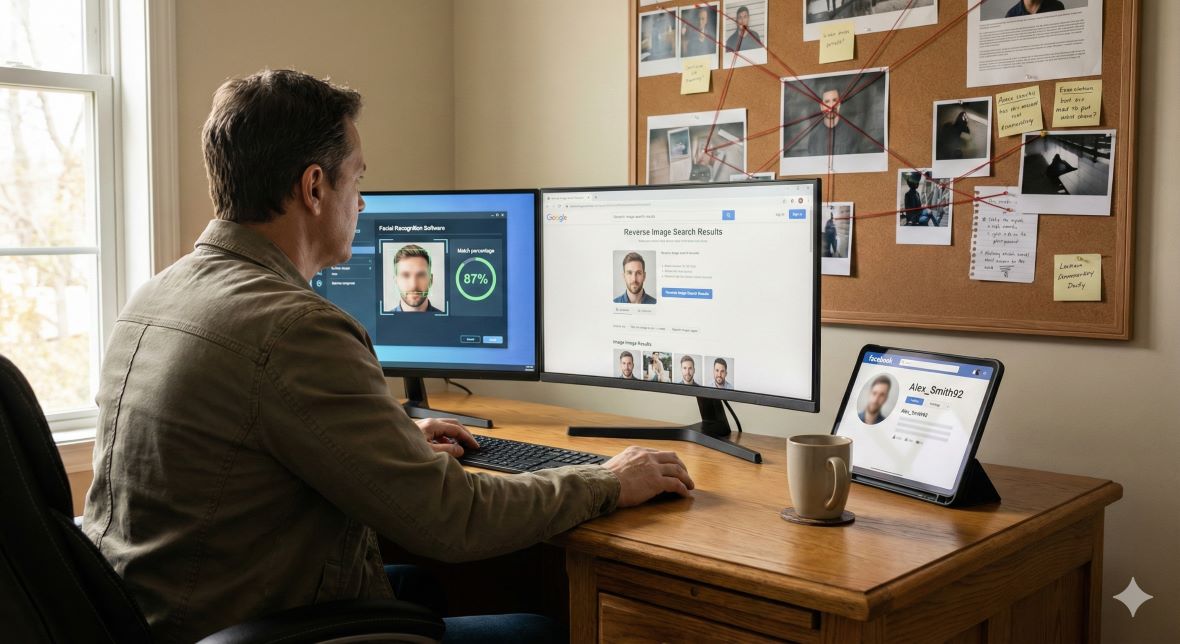
One of the first tools a PI uses is reverse image search. Instead of typing words into a search bar, they upload a picture or paste an image link. The search engine then scans the web for visually similar images.
This can reveal:
- Whether a profile picture was stolen from another person
- If a scammer is using the same image on multiple sites
- Whether a product photo comes from an honest seller or a fake listing
Many clients are shocked to discover that a “unique” person they met online appears under multiple different names and locations.
Metadata and EXIF Analysis
Some images contain hidden data known as metadata or EXIF data. When available, this information can include:
- Date and time the photo was taken
- Camera or device model
- Sometimes GPS coordinates
A Private Investigator checks whether this information is still present. In some cases, it can confirm whether a photo was taken when and where someone claims it was. However, metadata is not always available and can be edited, so it is used carefully and always in combination with other evidence.
Context and Background Clue Analysis
Even without technical data, the image itself tells a story. Investigators study:
- Street signs
- Number plates (where legal and visible)
- Skyline features
- Store logos
- Public transport symbols
- Clothing styles or school uniforms
These details can narrow down a location to a city, suburb, or even a specific venue. For example, a photo might quietly reveal that someone claiming to be in Australia is actually in another country altogether.
Social Media and Open-Source Intelligence
Image tracing often links to broader OSINT work. Once a PI finds where else an image appears online, they can explore:
- Linked profiles under different usernames
- Friends or followers who interact frequently
- Comments and tags that reveal real names or locations
- Groups or communities connected to the image
This is especially useful for detecting romance scams, harassment, imposter accounts, and fake business profiles. By connecting a web of accounts, investigators can identify the person or group behind the images.
AI and Facial Similarity Tools (Used Carefully)
In some investigations, private investigators may use AI-powered tools that compare faces across multiple images. These tools aim to determine whether two photos likely depict the same person.
However, these systems are not perfect. They can make mistakes, especially with poor-quality images or edited photos. They also raise privacy and ethical concerns if used recklessly.
A responsible Private Investigator treats AI results as leads, not final proof. Further checks, cross-referencing, and lawful evidence-gathering must back any AI hint.
How Image Tracing Helps Real People
Romance Scams and Fake Profiles
Many clients contact a PI when they suspect someone they met online is not who they claim to be. Image tracing can reveal:
- The profile photo belongs to a completely different person
- Duplicate profiles under other names
- Reused images from modelling sites or stock photo libraries
Uncovering this early can save clients from emotional damage and financial loss.
Harassment, Threats, and Anonymous Accounts
Sometimes people receive threats, stalking behaviour, or abusive messages from anonymous accounts. Even if the account hides its real name, images used in posts, avatars, or stories can reveal it.
Through image tracing, a private investigator may link the anonymous profile back to a known person. That information can then be used to seek protection, involve the police, or take legal action.
Stolen Goods and Fake Listings
Image tracing is valuable in cases involving stolen property. A thief might list stolen items for sale online using photos taken from elsewhere. Or they may post real pictures of the items they’ve taken.
Investigators compare client photos, police records, and online listings. When image or background details match, it helps confirm that a listing is suspicious. This can support recovery efforts or help police build a stronger case.
Workplace, Insurance, and Internal Investigations
Businesses also use private investigators for internal matters. Image tracing can help:
- Verify whether the photos in an insurance claim are genuine
- Check if staff are breaching policies by posting sensitive material.
- Connect images used in fake invoices, fake IDs, or forged documents.
In each case, the aim is not to spy arbitrarily but to check whether a particular image supports or undermines a claim.
Limits of DIY Image Tracing
Some people try to do their own image tracing using free tools. While this can work in simple cases, it has clear limits.
Without experience, it is easy to:
- Misread clues
- Miss deeper links
- Draw wrong conclusions
- Act on false positives
There is also a risk of crossing legal lines, especially if someone is tempted to hack accounts, share defamatory claims, or confront suspects without evidence.
By contrast, a licensed Private Investigator understands the law, knows how to document each step, and can explain what the results actually mean.
Evidence, Reporting, and Admissibility
For image-based findings to be helpful in serious matters—such as court cases, police reports, or insurance disputes—they must be well documented. Private investigators:
- Record where an image was found and when
- Capture screenshots with URLs and timestamps.s
- Note each tool or method used
- Preserve original copies safely
This creates a transparent chain of evidence. It also makes it easier for lawyers, insurers, or police to review the material. While the final decision about admissibility rests with the court, properly collected and documented image evidence has a far greater chance of being taken seriously.
Why Hiring a Private Investigator for Image Tracing Is Worth It
Image tracing can uncover the truth behind digital identities, suspicious profiles, and misleading photos. It can protect people from scams, harassment, emotional harm, and financial loss. However, it must be handled professionally, ethically, and legally.
By engaging a licensed Private Investigator in Australia, you gain:
- Expert use of tools and techniques
- A clear, structured investigation plan
- Lawful evidence collection
- Professional reporting you can rely on
- A calm, objective perspective during stressful situations
If you have doubts about an image, profile, listing, or digital trail, you do not need to guess. A trained investigator can help you see what the picture is really telling you—and what to do next.


