
Last updated:
Leaving home for the holidays can feel tense, even when you’ve planned everything. If you’re already dealing with a significant incident and you’re searching for a loved one, that tension can hit harder. The last thing you need is another loss, another police report, another round of phone calls.
The good news is you can reduce risk with simple steps you can finish quickly, even if your head is already full. Below are seven practical tips you can do today, plus a calm plan for what to do if you get an alert while you’re away. If a break-in happens, a Private Investigator can also help with safety checks, evidence preservation, and precise documentation so you’re not trying to remember details under stress.
Before You Leave, Make Your Home a Hard Target
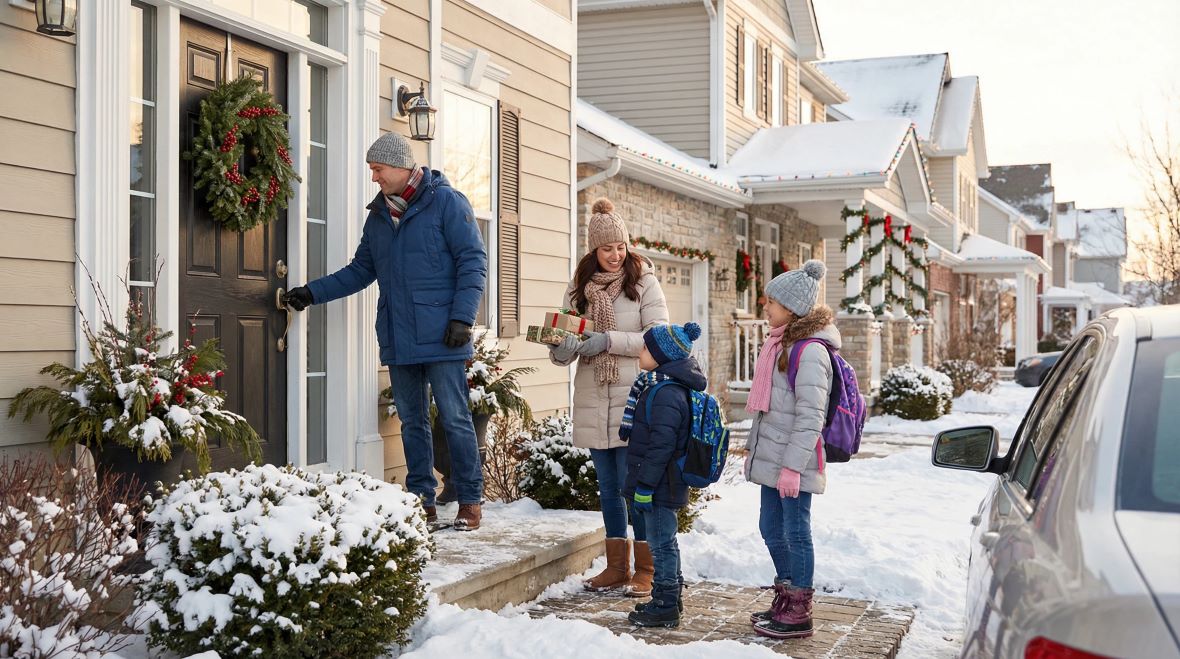
Think of this as a one-evening checklist. You’re not trying to build a fortress. You’re trying to make your home look annoying to break into, and easy to verify as “normal” from a distance.
Keep it legal and common-sense. Laws vary by state (and even by building rules), so follow local requirements and any HOA, strata, or rental agreement.
Tip 1: Lock down the basics, doors, windows, garage, and spare keys
Start with what most break-ins exploit: easy entry.
Use these quick upgrades and checks:
- Put quality deadbolts on exterior doors, and actually use them.
- Confirm that the window latches work, and lock them.
- For sliding doors, add a simple security bar or rod in the track.
- Don’t forget the door between the garage and the house; it should lock like an exterior door.
Skip the “hidden spare key” habit. Burglars know the usual spots. If you must keep an emergency key, use a lockbox only if your property rules allow it, and only in a location that doesn’t advertise itself.
Also, do yourself a favour for insurance and reporting later. Photograph valuables and record the serial numbers of items such as laptops, cameras, and game consoles. Store a copy somewhere secure (not on a device you leave at home).
Tip 2: Use smart lighting, timers, and visible deterrents without advertising you’re gone
Your goal is “someone’s home,” not “this house is automated.”
A few easy moves:
- Put 2 to 3 lamps on timers and stagger their settings. If every light flips on at 6:00 pm, it looks fake.
- Keep a porch light on, or use a motion light at entry points.
- Don’t leave curtains wide open showing an empty living room, but don’t close every blind tightly either. A natural, lived-in look wins.
Be careful with travel posts. Don’t share your location in real time, and ask family to do the same. If you want to post holiday photos, save them for after you’re back. It’s not paranoia, it’s basic privacy.
A parked car can help too. If you have two vehicles, consider leaving one in the driveway (if that’s normal for your home). Just don’t leave keys or garage remotes inside it.
Tip 3: Secure deliveries and yard signals that tell people you are away
A pile of packages is basically a sign that says “nobody’s here.”
Before you leave:
- Put your mail on hold, or have a trusted person pick it up.
- Pause deliveries where you can, or redirect packages to a locker or pickup point.
- Ask someone to roll bins back in and remove flyers or door hangers.
Handle the yard fast. Trim shrubs before you go so windows and doors are more visible from the street. Set sprinklers on a regular schedule so the place doesn’t look abandoned.
One overlooked detail: store ladders, tools, and spare timber out of sight. You don’t want to supply the stuff someone could use to reach a window or force a door.
While You Are Away, Build Layers of Monitoring and Fast Response
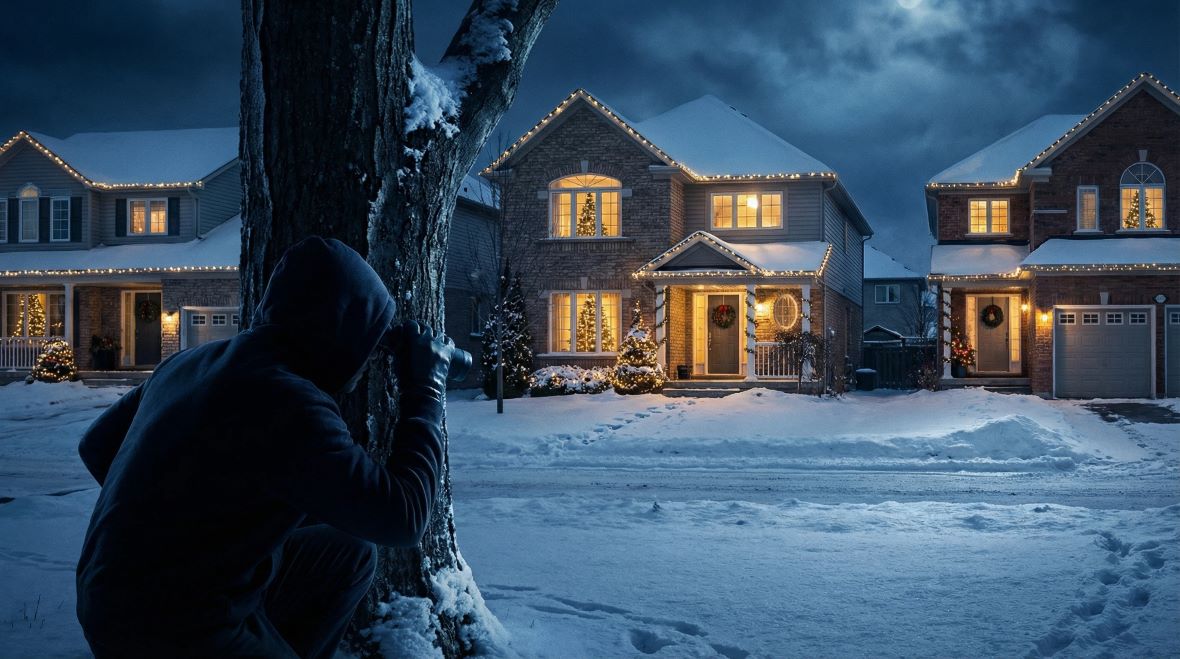
When you’re travelling, you need low-effort security that still works if you’re tired, distracted, or dealing with bigger worries.
Also, to keep privacy in mind. Cameras should point at your own property, and recording laws can differ, especially for audio.
Tip 4: Set up cameras and alarms the right way, with privacy rules in mind
A camera is only helpful if it’s set up well.
Do this before you leave:
- Place cameras to cover entry points (front door, back door, garage).
- Turn on motion alerts, but reduce “noise” by avoiding trees or busy streets.
- Test notifications on cellular data, not just your home Wi-Fi.
- Check night vision and camera angles after dark.
Aim cameras at your own doors and yard, not into a neighbour’s windows or private spaces. Be extra cautious with audio recording, because consent rules can vary.
If you want a professional sweep for hidden cameras, trackers, or unwanted monitoring devices, you can look into services like Counter Surveillance Services. If you hire a Private Investigator for surveillance or evidence collection, they must follow privacy laws and use lawful methods.
Tip 5: Choose a trusted check-in plan, neighbour, family, or professional patrol
Tech is excellent, but people notice things cameras miss, like a side gate left open or a screen cut.
Keep the plan simple:
- Set a schedule (every 2 to 3 days is often enough).
- Ask for a quick exterior walk-around, a quick check for broken glass, and a check that the doors look normal.
- Have them vary the time, not the same hour every visit.
If something looks wrong, the rule is easy: don’t enter. Ask them to step back, call the police, and wait. You can’t help your loved one, your family, or yourself if you get hurt trying to “check” the house alone.
A private investigator can also do documented property checks, including time-stamped photos and a written report. That kind of documentation can support insurance, strata discussions, or legal advice later, especially if you’re already juggling a significant incident and need clean records.
If Something Happens, Protect Evidence and Follow the Rules
If you get an alert while you’re away, your mind may jump to the worst outcome. That’s normal. A clear plan helps you act without making the situation messier.
Tip 6: What to do if you get an alert or suspect a break-in
Keep it step-by-step:
- If you believe someone is inside right now, call emergency services.
- Ask a neighbour to observe from a safe distance, only if it’s safe for them.
- Don’t confront anyone. Don’t ask a friend to “go in and check.”
- Wait for police clearance before anyone enters the home.
Don’t post details on social media, even vague ones. It can spread quickly and pose risks, including unwanted attention.
Start a simple notes log on your phone: who you called, when you called, what you were told. Under stress, memory gets slippery; written timestamps don’t.
Tip 7: Preserve evidence and documentation, and know when a Private Investigator can help
If a break-in happens, try to preserve the scene. That means:
- Don’t touch disturbed areas.
- Don’t clean up broken glass yet.
- Save camera clips and screenshots, and back them up.
- Take photos from a distance before anything is moved.
In plain terms, think “track what happened and who handled what.” In investigations, that’s called the chain of custody. If you hand an item to someone, write down who took it and when. It helps later if insurance, police, or a court needs a clear story.
A Private Investigator can help you document the loss, organise a timeline, and ensure records are consistent. They should also give you an explicit written agreement on scope, fees, and what reporting you’ll receive.
Final Thoughts
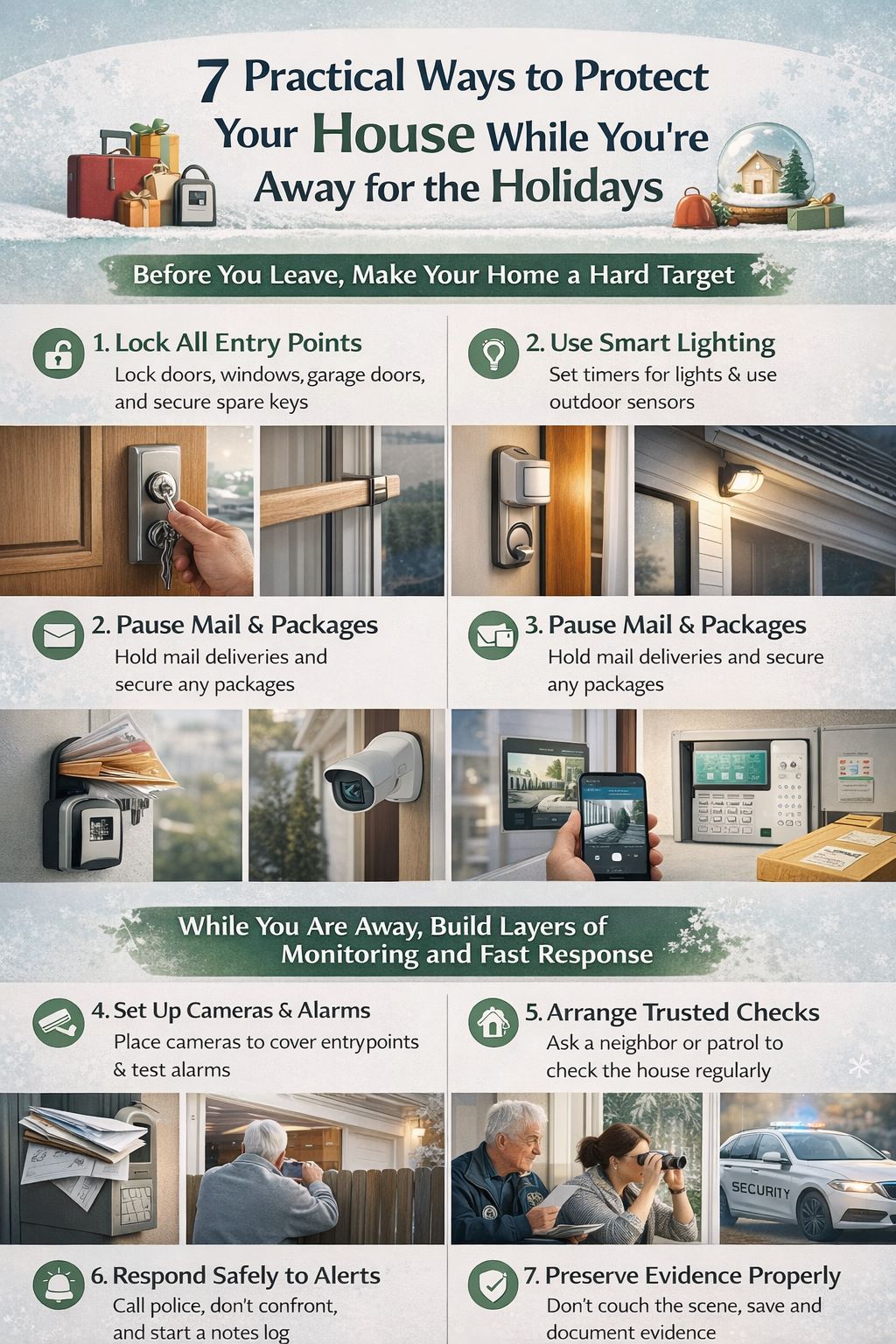
You don’t need to do everything to make a real difference. Lock down doors and windows, make the house look lived-in, stop delivery pileups, set cameras and alarms correctly, arrange a check-in plan, respond safely to alerts, and protect evidence if something happens.
Pick your top 2 actions to do today, then stack the rest if you have time. Put safety first, follow the law, and if you’re dealing with a significant incident and need calm, documented support, a Private Investigator can help you stay organisedwhile you focus on your family.

Written by Rob Jones, Senior Investigator at Spouse Busters. Rob has worked on infidelity, surveillance and locate cases across Australia, and the Spouse Busters team has been helping people find the truth since 2005. Licensed under GORA Investigations Pty Ltd, NSW Master Licence 412080174.